
Industrial and resource operations
Building an innovation team that could actually run an autonomy program.
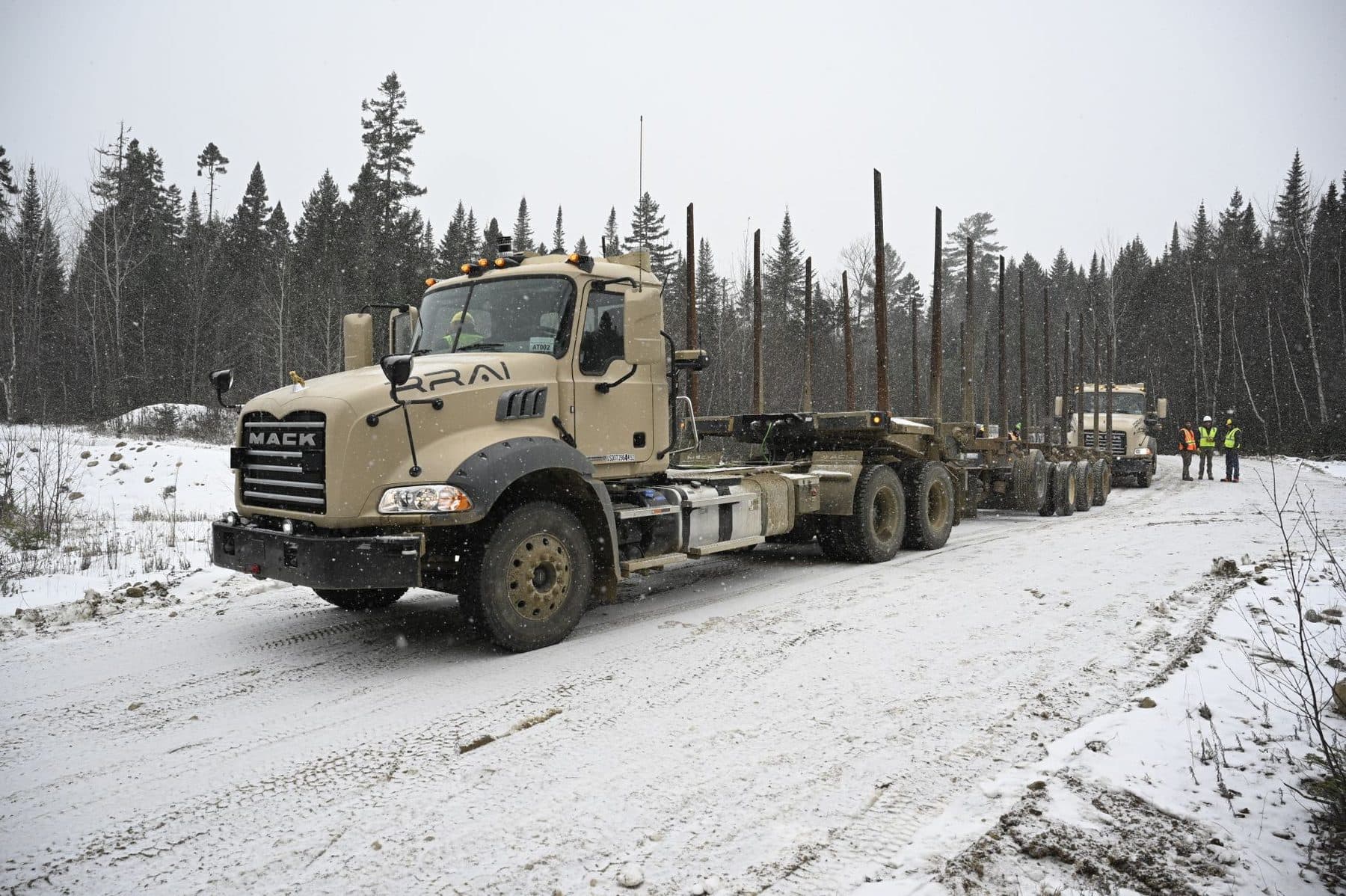
No lane markings. No connectivity. No mapped environment. Roads that change with the season and disappear under snow. But the first constraint was not the terrain. It was that the team charged with leading the program had never done this before, and neither had their regulator.
- Client
- Confidential, under NDA
- Environment
- Off-road resource operations
- Region
- Canada
- Engagement
- Education, safety framework and regulatory advisory
The situation
Resource operations have strong economic incentives to automate and almost none of the conditions that make automation straightforward. The environment is unstructured, the weather is hostile, connectivity is intermittent at best, and the workforce implications are significant.
The client had an innovation team and a mandate. What they did not have was the internal knowledge to lead an autonomy program, evaluate what vendors were telling them, or hold a credible conversation with their regulator about a vehicle with nobody in it.
Building the internal capability
We started by teaching. The innovation team went through autonomy end to end: how the technology actually works and where it stops working, what the operational reality of running it looks like, and how safety has to be structured around it.
From there into the practical work of a program. How to plan a pilot that produces a decision rather than goodwill. What a safety framework has to contain. How to define where a vehicle is allowed to operate, and how to tell whether a vendor's system covers those conditions or merely claims to.
The goal was not to make them dependent on us. It was to leave them able to run the program, ask the right questions of any vendor, and recognize an answer that does not hold up.
The regulator
The harder half of the engagement was regulatory. Autonomy in resource operations sits in territory where the rules were not written with a driverless vehicle in mind, and the regulator is working it out at the same time as the operator.
We advised on how to approach that relationship: what to bring, how to frame it, and above all how to evidence it. Proof of performance and demonstrated compliance, structured so a regulator can follow the reasoning and check the work rather than take a claim on faith.
An operator who arrives with evidence gets a different conversation than one who arrives with a vendor's brochure. That difference is usually worth months.
Why it matters
This engagement is the clearest proof that the ARIBO method is not an airport method. Educate the people who will own it, build the safety structure, evidence everything, and bring the regulator along rather than presenting to them at the end. None of that is specific to an apron or a logging road.
The goal was never to make them need us. It was to leave them able to run it, and able to tell when a vendor's answer does not hold up.